As dog owners, we cherish the companionship, loyalty, and joy our pets bring into our lives. However, one aspect that can sour this bliss is dog breath. Bad breath in dogs is not just an olfactory nuisance; it may also be an indicator of underlying health issues, particularly dental disease. Understanding the causes of bad breath and employing natural remedies can significantly improve your furry friend’s oral health and overall well-being.
Understanding the Causes of Bad Dog Breath
Before diving into remedies, it’s essential to understand what causes bad breath in dogs. Common causes include:
Dental Disease: Plaque and tartar build-up can lead to periodontal diseases, resulting in foul-smelling breath.
Diet: Certain foods, particularly low-quality dog food, can contribute to halitosis. Dogs that eat a lot of wet food may also have more severe breath issues.
Medical Conditions: Bad breath may indicate metabolic or systemic diseases like kidney problems or diabetes.
Oral Hygiene: Just like humans, dogs require regular dental care. Neglecting this can lead to the growth of odor-causing bacteria.
- Infections: Oral infections caused by bacteria can be problematic and lead to unpleasant breath.
Natural Remedies to Combat Bad Dog Breath
1. Regular Teeth Brushing
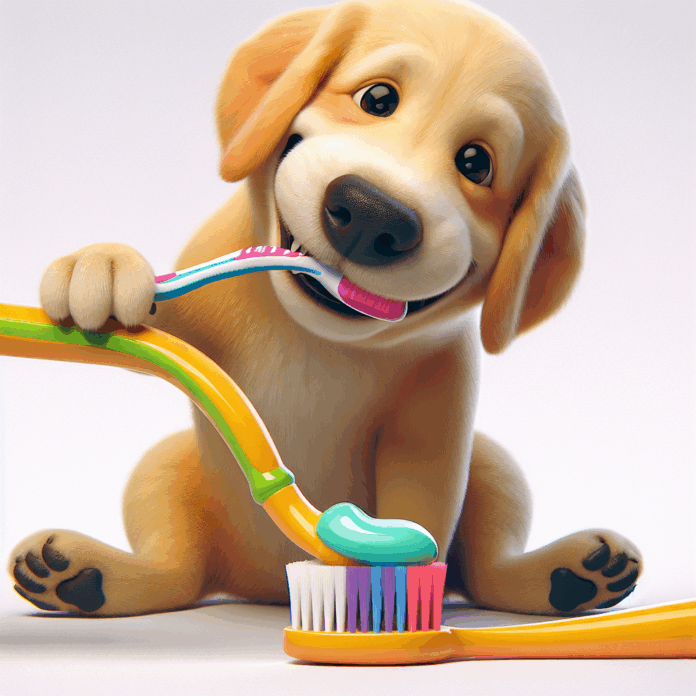
Just as with humans, brushing a dog’s teeth is the cornerstone of oral hygiene. Use a toothbrush and toothpaste designed specifically for dogs. The flavors are appealing to them, making the process easier. Aim for at least two to three times a week to maintain optimal oral health.
2. Dental Chews
Dental chews are designed to help clean your dog’s teeth through chewing. They can help reduce plaque and tartar build-up while freshening breath. Look for natural, vet-approved options made from digestible ingredients.
3. Homemade Recipes
Creating a homemade dental rinse using natural ingredients can provide a quick breath-freshening solution. A simple recipe includes mixing water with a bit of apple cider vinegar or baking soda. Use this concoction in moderation; add it to your dog’s water to help kill bacteria while aiding digestion.
4. Fresh Vegetables and Fruits
Incorporating crunchy vegetables and fruits can do wonders for your dog’s breath. Carrots, green beans, and apples can help scrub the teeth while providing essential vitamins. Just be sure to avoid onion and garlic, which can be toxic to dogs.
5. Green Tea
Green tea contains polyphenols that can reduce plaque formation and give your dog a fresher breath. Brew a caffeine-free green tea, let it cool, and add it to their water bowl.
6. Coconut Oil
Coconut oil’s natural antibacterial properties make it a fantastic remedy for dog breath. Add a small amount to your dog’s food or let them lick it off a spoon.
7. Parsley
Parsley is a well-known herb that can freshen breath. Chop a small amount and mix it into your dog’s food. Besides freshening breath, parsley has antibacterial properties that contribute to overall health.
8. Apple Cider Vinegar
Apple cider vinegar not only helps with bad breath but can also aid in digestion. Mix one teaspoon of apple cider vinegar with a cup of water and give a small amount to your dog. Ensuring your dog has no allergies to vinegar is essential, so consult your vet if uncertain.
9. Regular Vet Check-ups
Finally, regular check-ups with your veterinarian are vital. They can help identify potential dental diseases early and recommend appropriate treatments. Routine cleaning and examinations can lead to long-term health benefits for your dog.
Maintaining Oral Hygiene
In addition to these remedies, maintaining an overall routine for your dog’s oral hygiene is crucial:
Routine Dental Cleanings: Schedule professional cleanings with your veterinarian as often as recommended.
Monitor Diet: Feed your dog high-quality food that supports dental health. Some brands have added dental care properties in their kibble to help combat plaque.
- Hydration: Ensure your dog has access to fresh water throughout the day, which helps wash away food particles and bacteria.
Conclusion
Dog breath is a common concern, but it doesn’t have to linger. By employing natural remedies and maintaining a regular dental care routine, you can say goodbye to your dog’s bad breath and improve their overall health. Remember, your furry friend relies on you for their well-being, so take proactive measures to ensure their dental hygiene is second to none!
FAQs
1. How can I tell if my dog has dental problems?
Signs of dental issues in dogs include persistent bad breath, difficulty eating, swollen gums, loose teeth, and excessive drooling. If you notice any of these signs, consult your veterinarian.
2. Is it safe to use human toothpaste on dogs?
No, human toothpaste contains ingredients that are harmful to dogs. Always use toothpaste specifically designed for pets.
3. How often should I brush my dog’s teeth?
Aim to brush your dog’s teeth a few times a week. Daily brushing is ideal, but consistency is key.
4. Is it normal for my dog to have some odor?
While a mild odor can be normal, persistent bad breath is not. It’s essential to identify the cause and take action, as it could indicate a health issue.
5. What types of dental chews are best?
Choose dental chews that are natural, low in calories, and specifically designed to reduce plaque and tartar. Always supervise your dog while they enjoy these treats.
6. Can I use these remedies with my puppy?
Many natural remedies are safe for puppies, but it’s best to consult your veterinarian before introducing new elements into your pet’s routine.
7. How can a vet clean my dog’s teeth?
Veterinarians use professional tools to scale and polish teeth, removing tartar and plaque that regular brushing cannot. They may also perform extractions if necessary.
By following these guidelines, you can effectively combat dog breath and enhance your pet’s quality of life. A little effort can lead to big changes, resulting in happier moments with your furry friends—minus the bad breath!

